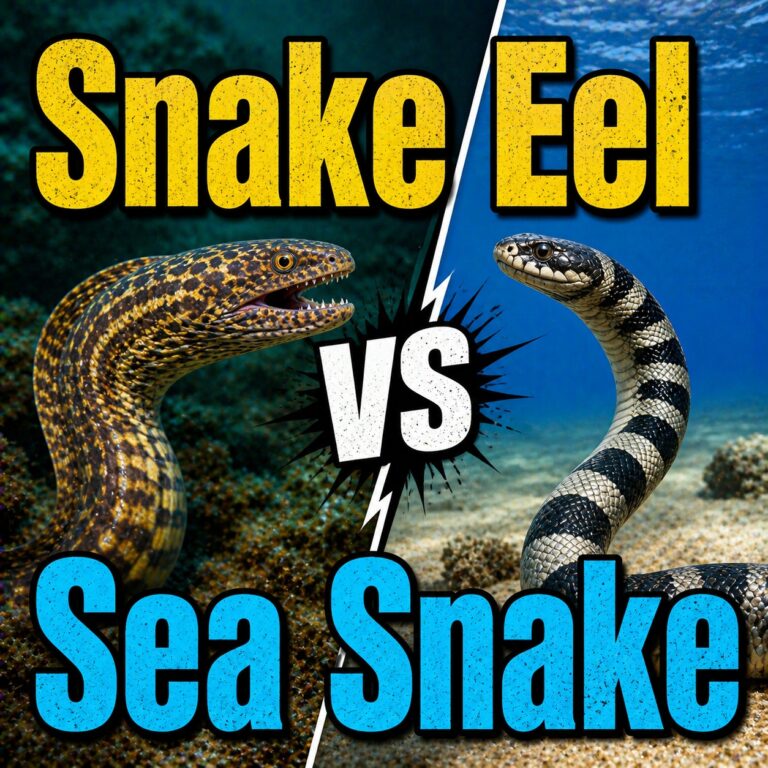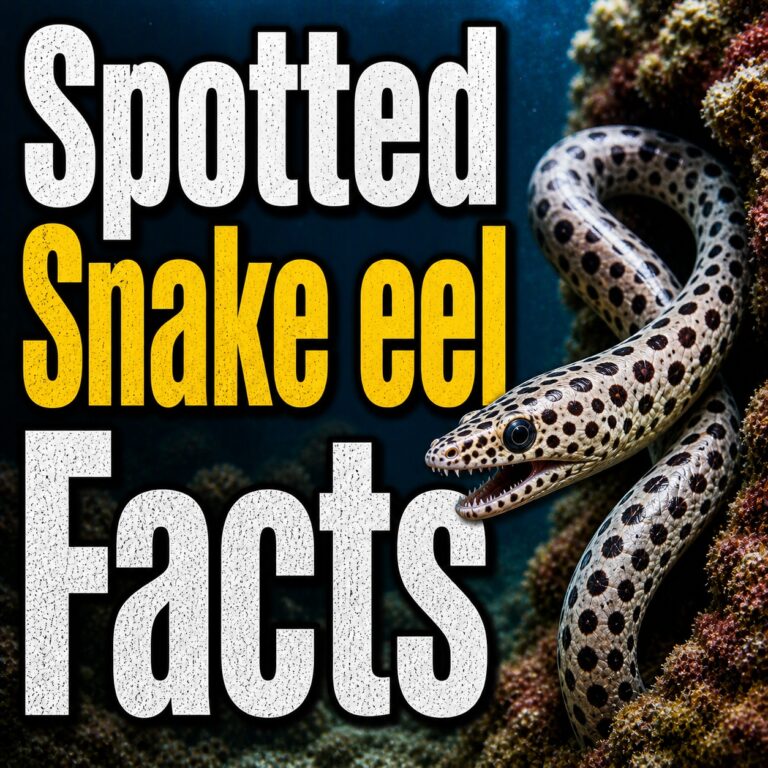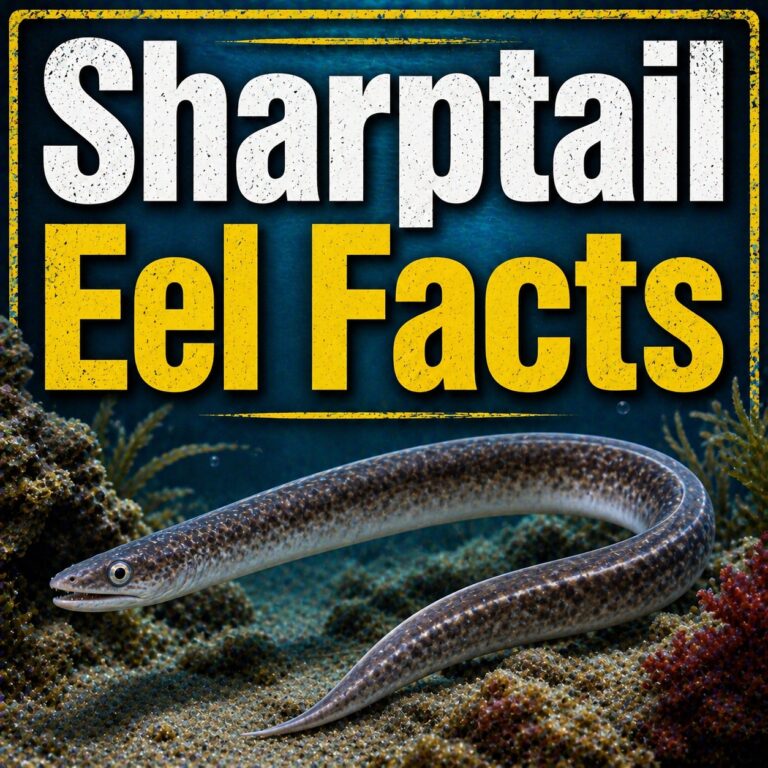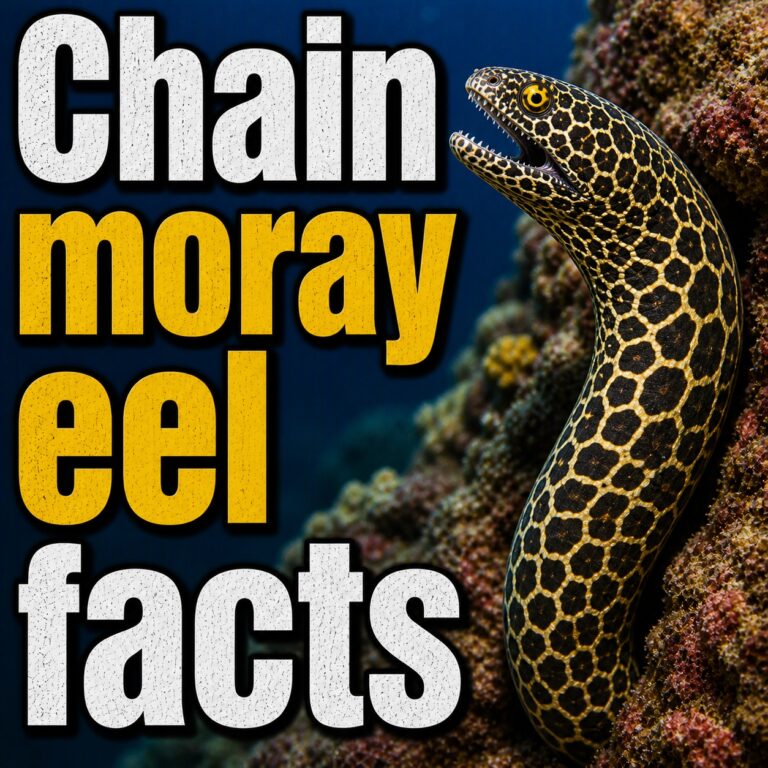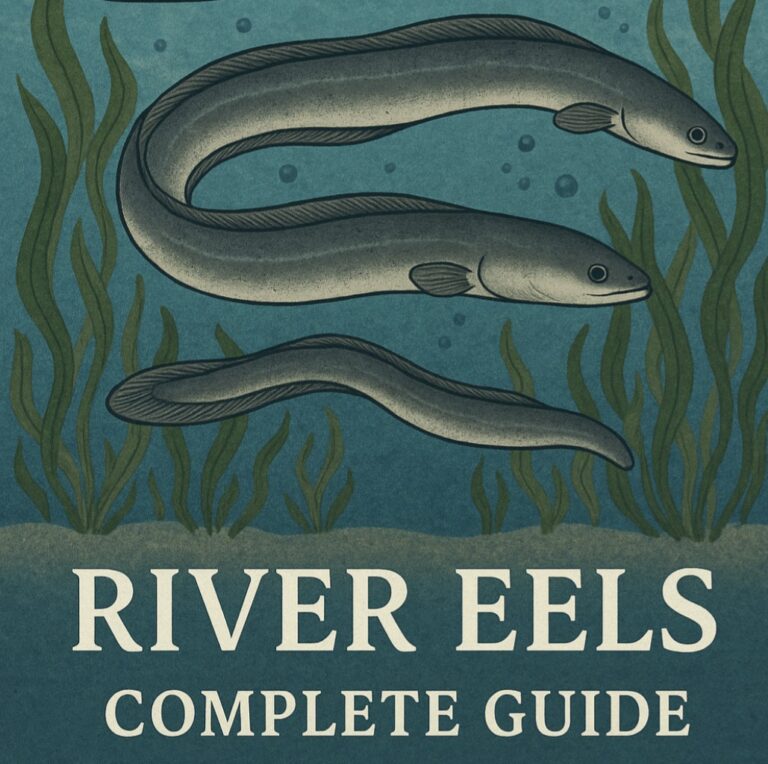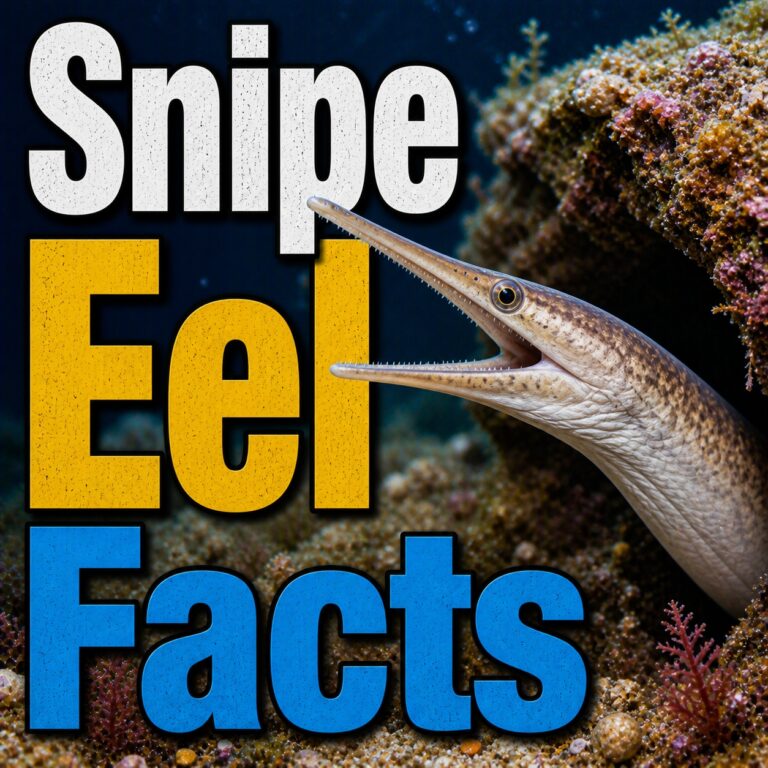
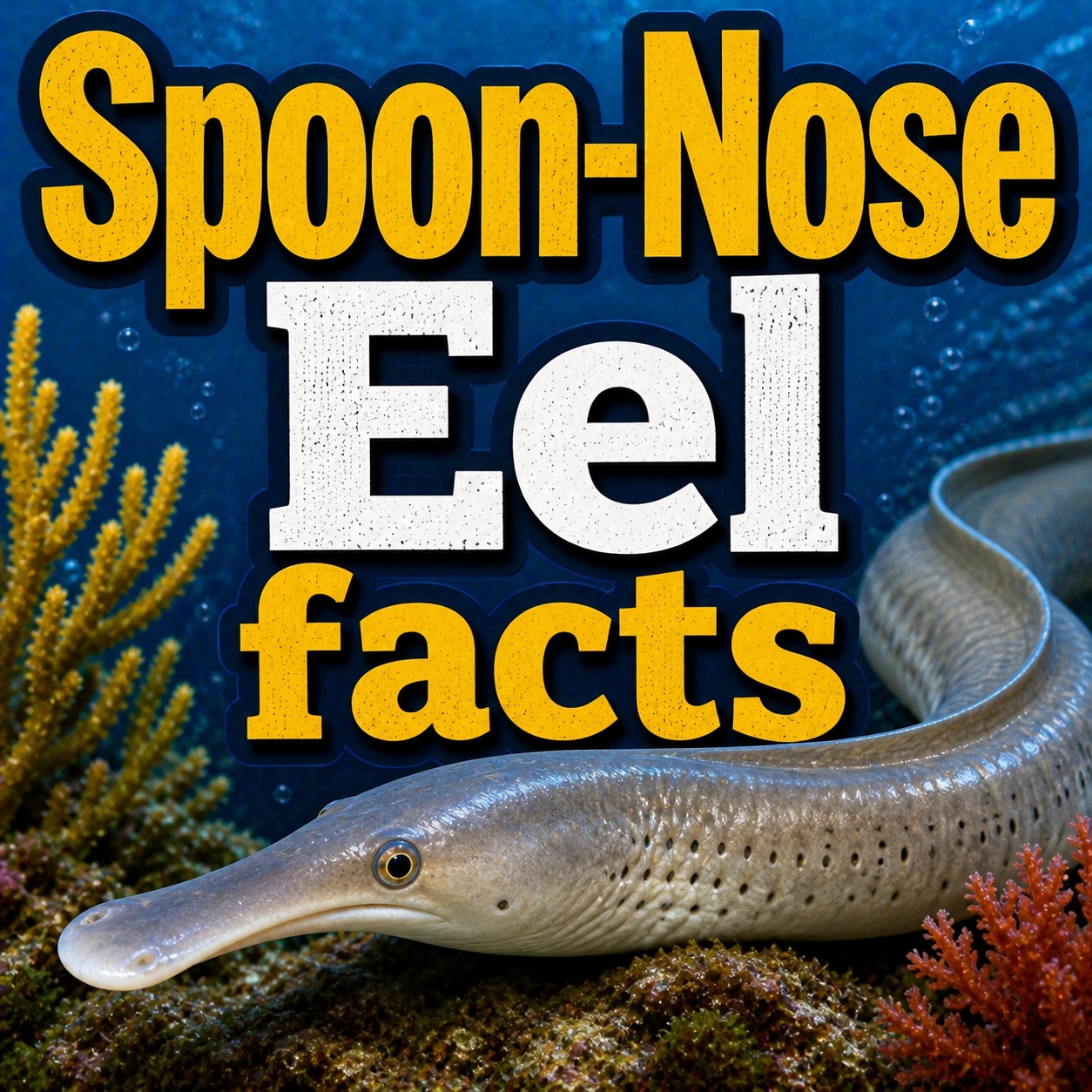
The Spoon-Nose Eel, scientifically known as Myrichthys breviceps, is one of the most distinctive members of the snake eel family (Ophichthidae). Found throughout the Caribbean and Western Atlantic, this spotted burrower is often mistaken for venomous sea snakes due to its elongated body and serpentine swimming style. Despite its intimidating appearance, the Spoon-Nose Eel is harmless to humans and plays a vital ecological role in reef and seagrass ecosystems.
This article provides a deep dive into its biology, behavior, and importance, offering a complete resource for divers, marine enthusiasts, and educators.
Article Contents
- 📜 Taxonomy and Classification
- Spoon-Nose Eel Species (Genus Echiophis)
- 🌍 Distribution and Habitat
- 🧬 Physical Characteristics
- 🌙 Behavior and Ecology
- 🐣 Reproduction and Life Cycle
- 🧑🤝🧑 Human Interactions
- ⚠️ Conservation and Threats
- 🧠 Evolutionary Insights
- 📜 Cultural and Folklore Significance
- 🔬 Scientific Research
- 10 Unique Spoon-Nose Eel Facts
- 5 Spoon-Nose Eel FAQs
- 🧾 Conclusion
📜 Taxonomy and Classification
- Kingdom: Animalia
- Phylum: Chordata
- Class: Actinopterygii (ray-finned fishes)
- Order: Anguilliformes (true eels)
- Family: Ophichthidae (snake eels)
- Genus: Myrichthys
- Species: Myrichthys breviceps
Spoon-Nose Eel Species (Genus Echiophis)
Common Names: Spoon-Nose Eel, Sharptail Eel, Sharptail Snake-Eel.
The name “breviceps” means “short head,” describing its blunt snout.
1. Spotted Spoon-Nose Eel (Echiophis intertinctus)
- Range: Western Atlantic
- Locations: North Carolina, Gulf of Mexico, Brazil
- Habitat: Sandy and muddy bottoms, coastal shallows
- Notes: Distinguished by its spotted body pattern; burrows into sediment and feeds on small crustaceans and fish.
2. Pacific Spoon-Nose Eel (Echiophis brunneus)
- Range: Eastern Pacific
- Locations: Gulf of California (Mexico) to Ecuador
- Common Name: “Fangjaw eel” in Mexico
- Habitat: Coastal waters, often near estuaries and reefs
- Notes: Known for its pronounced jaw structure; nocturnal feeder, often mistaken for sea snakes due to its elongated body.
3. Stippled Spoon-Nose Eel (Echiophis punctifer)
- Range: Both Western and Eastern Atlantic
- Locations: Caribbean Sea, Senegal (West Africa)
- Habitat: Shallow tropical waters, sandy substrates
- Notes: Recognizable by stippled (dotted) markings; plays a role in benthic ecosystems by aerating sediments through burrowing.
🌍 Distribution and Habitat
- Range: Western Atlantic Ocean, including Bermuda, Florida, Bahamas, Yucatán Peninsula, Antilles, and northern South America.
- Preferred Depths: Shallow waters, typically 1–15 meters, though occasionally deeper.
- Habitats:
- Coral reefs
- Seagrass beds
- Sandy or muddy substrates
They are frequently seen burrowing into sand, leaving only their heads exposed, or swimming gracefully near reef structures.
🧬 Physical Characteristics
- Length: Up to 102 cm (3.3 ft).
- Coloration: Grayish-green body with yellow to orange spots; spots are smaller near the head and larger toward the tail.
- Head: Short jaws, blunt teeth, tubular nostrils, moderate-sized eyes.
- Tail: Sharp, pointed tip used for burrowing.
- Fins: Reduced pectoral fins; dorsal fin runs nearly the full length of the body.
This morphology reflects adaptations for burrowing and nocturnal hunting.
🌙 Behavior and Ecology
Nocturnal Lifestyle
The Spoon-Nose Eel is primarily nocturnal, emerging at night to forage for food. During the day, it often remains hidden in burrows.
Burrowing
Its sharp tail tip is a specialized tool for digging into sand. Burrowing provides protection from predators and a vantage point for ambushing prey.
Diet
- Primary prey: Crabs and crustaceans.
- Secondary prey: Worms, mollusks, and small fish.
Their feeding helps regulate crustacean populations, contributing to ecosystem balance.
Predators
- Larger reef fish (groupers, snappers)
- Moray eels
- Marine mammals
🐣 Reproduction and Life Cycle
Like other eels, Spoon-Nose Eels undergo a complex life cycle:
- Spawning: Occurs seasonally in shallow waters.
- Eggs: Hatch into transparent leptocephalus larvae.
- Larval Stage: Larvae drift with ocean currents for weeks or months.
- Metamorphosis: Larvae transform into juvenile eels, settling in coastal habitats.
- Adult Stage: Grow to full size, reproduce, and continue the cycle.
This planktonic larval stage allows wide dispersal across Caribbean waters, ensuring genetic diversity.
🧑🤝🧑 Human Interactions
Harmless to Humans
Unlike sea snakes, Spoon-Nose Eels are non-venomous and pose no danger. Divers often encounter them while exploring reefs, where they may be seen swimming or burrowing.
Fishing
They are occasionally caught as bycatch in artisanal fisheries but are not targeted commercially. Their tough skin and bony structure make them less desirable as food compared to other eels.
Cultural Significance
In Caribbean folklore, Spoon-Nose Eels are sometimes referred to as “sand snakes,” symbolizing mystery and transformation. Their resemblance to snakes has fueled myths, though they are generally respected as harmless reef dwellers.
⚠️ Conservation and Threats
Current Status
- IUCN Red List: Least Concern
- Populations are stable, but localized threats exist.
Threats
- Habitat loss due to coastal development and dredging.
- Pollution affecting seagrass and reef ecosystems.
- Bycatch in fishing operations.
- Climate change impacting coral reefs and shallow habitats.
Conservation Measures
- Protecting coral reefs and seagrass beds.
- Reducing coastal pollution.
- Promoting awareness among divers and fishermen.
🧠 Evolutionary Insights
Spoon-Nose Eels exemplify adaptive evolution within the snake eel family:
- Burrowing adaptations: Sharp tail and reduced fins.
- Camouflage: Spotted coloration blends with sandy substrates.
- Mimicry: Resemblance to venomous sea snakes deters predators.
This combination of traits highlights the evolutionary creativity of marine life.
📜 Cultural and Folklore Significance
- Caribbean myths: Eels as “sand snakes,” symbols of hidden wisdom.
- Diver lore: Stories of Spoon-Nose Eels guiding explorers through reefs.
- Symbolism: Transformation, resilience, and mystery.
🔬 Scientific Research
Spoon-Nose Eels are studied for:
- Behavioral ecology: Burrowing and nocturnal hunting.
- Larval dispersal: Insights into ocean currents and population genetics.
- Mimicry: Understanding predator-prey dynamics.
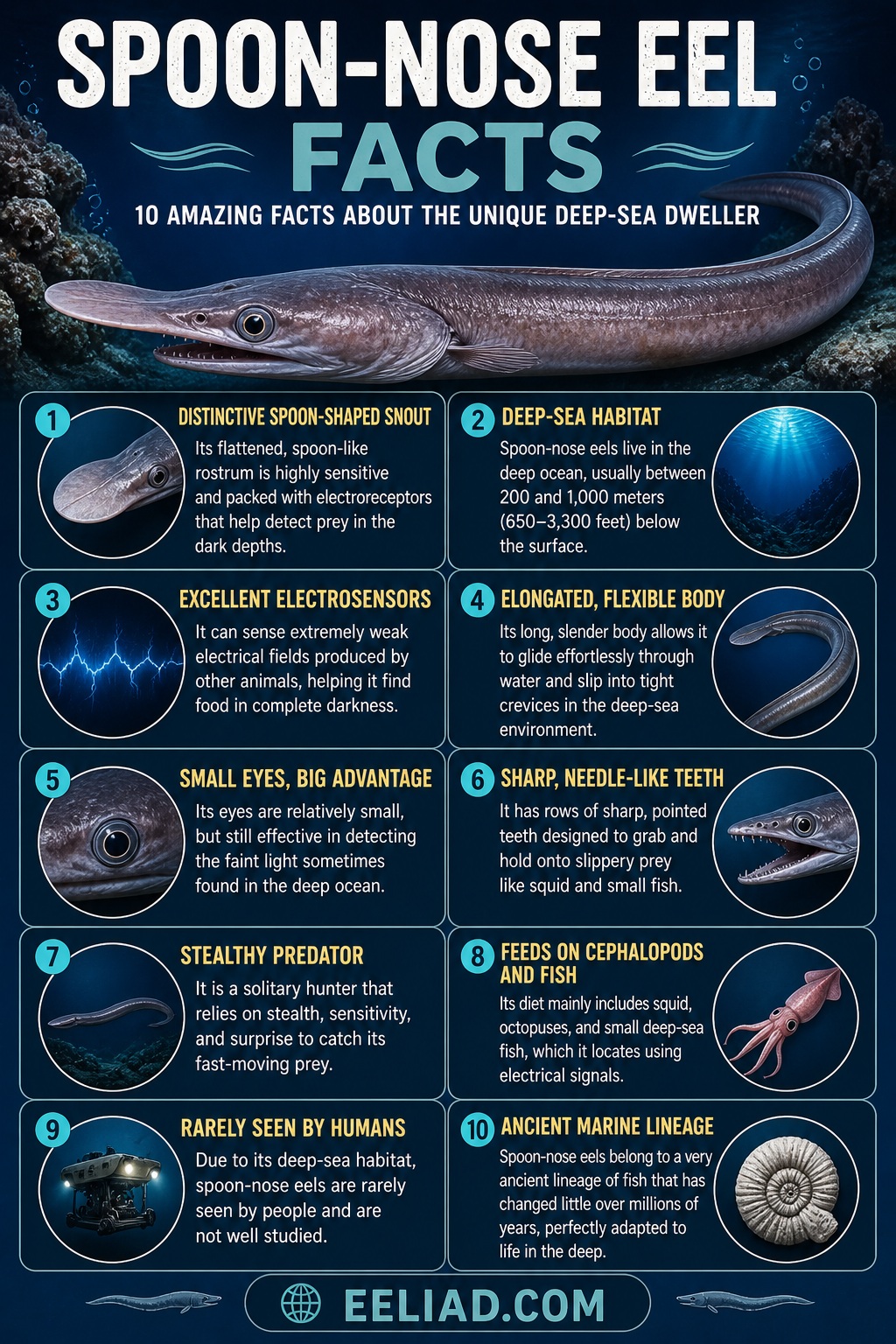
10 Unique Spoon-Nose Eel Facts
- Spotted Camouflage – Its body is covered in yellow-orange spots that blend seamlessly with sandy seabeds.
- Blunt Snout – The name “breviceps” means “short head,” describing its spoon-shaped nose.
- Burrowing Tail – Its sharp tail tip is used like a shovel to dig into sand for shelter.
- Nocturnal Hunter – Most active at night, feeding on crabs and small crustaceans.
- Harmless Mimic – Resembles venomous sea snakes but is completely non-venomous.
- Wide Range – Found across the Western Atlantic and Caribbean, from Bermuda to South America.
- Larval Drifters – Transparent larvae drift with ocean currents before settling in reefs.
- Sediment Aerator – Burrowing helps oxygenate seabeds, supporting reef health.
- Folklore Symbol – Caribbean traditions call it a “sand snake,” linked to mystery and transformation.
- Diver’s Encounter – Often seen swimming gracefully near reefs, but quickly burrows when disturbed.
5 Spoon-Nose Eel FAQs
Q1: Is the Spoon-Nose Eel dangerous to humans? No, it is non-venomous and harmless, despite its snake-like appearance.
Q2: What does the Spoon-Nose Eel eat? It primarily feeds on crabs and small crustaceans, occasionally worms and mollusks.
Q3: Where can Spoon-Nose Eels be found? They inhabit shallow waters of the Western Atlantic and Caribbean, especially reefs and seagrass beds.
Q4: How does the Spoon-Nose Eel reproduce? It spawns in shallow waters; larvae drift with currents before metamorphosing into juveniles.
Q5: Why is it called “Spoon-Nose”? Its blunt, rounded snout resembles a spoon, distinguishing it from other snake eels.
🧾 Conclusion
The Spoon-Nose Eel (Myrichthys breviceps) is a remarkable species that embodies the mystery of the ocean. Harmless yet elusive, it thrives in Caribbean reefs and seagrass beds, playing a vital ecological role. Its burrowing habits, nocturnal lifestyle, and spotted camouflage make it a fascinating subject for divers, scientists, and storytellers alike.
Protecting its habitats ensures that future generations can continue to marvel at this spotted “sand snake” of the sea.