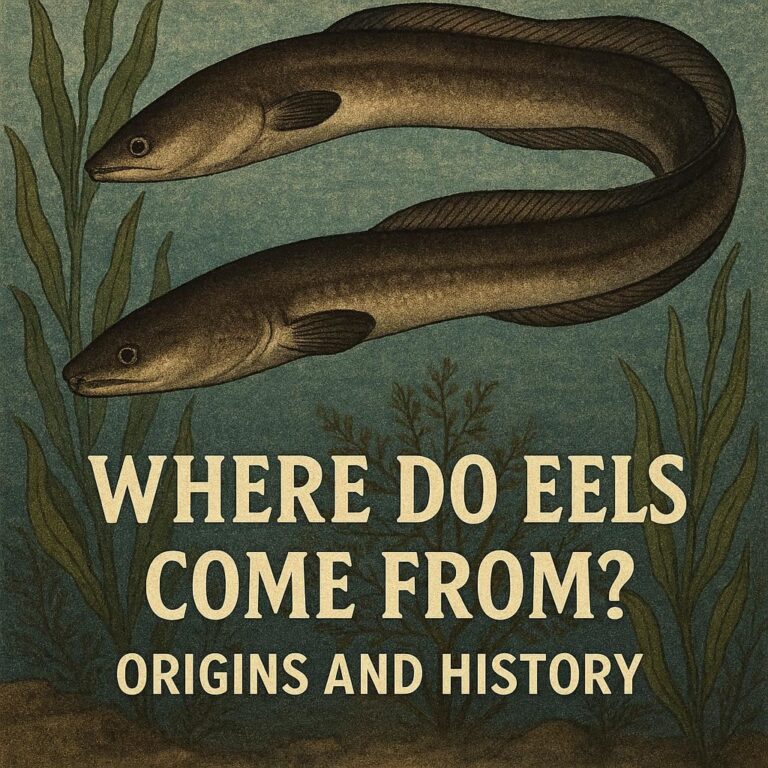
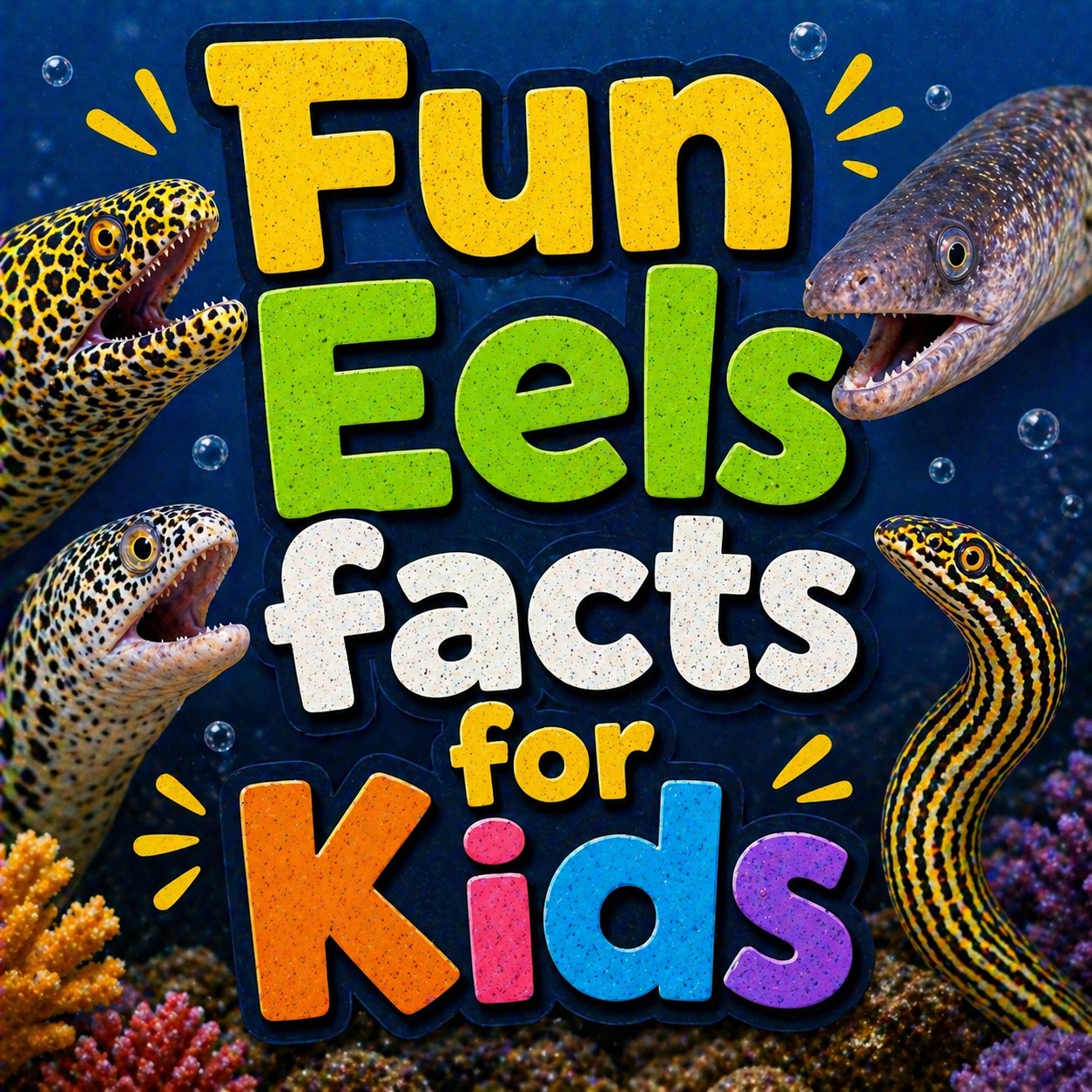
Eel fish facts for kids reveal that these slippery, snake-like creatures are actually fascinating fish that live in almost every corner of the ocean. While they might look like reptiles, eels belong to a special group of fish that have swapped large fins for long, muscular bodies.
From the tiny garden eels that “grow” in the sand to the massive morays that guard coral reefs, the world of eels is full of surprises. In this guide, we will explore their amazing life cycles, their electric powers, and how they survive in the deep blue sea.
What Exactly is an Eel?
When you first see an eel, you might think you are looking at a water snake. However, eel fish facts for kids prove that these animals are 100% fish. They breathe through gills, just like a goldfish or a shark, and they spend their entire lives underwater.
The Secret Body of an Eel
Eels have a very different “design” compared to a typical trout or tuna. Instead of having a pair of fins on their sides, most eels have one long fin that runs down their back and continues all the way around their tail. This design helps them swim with a wavy, “S” shaped motion.
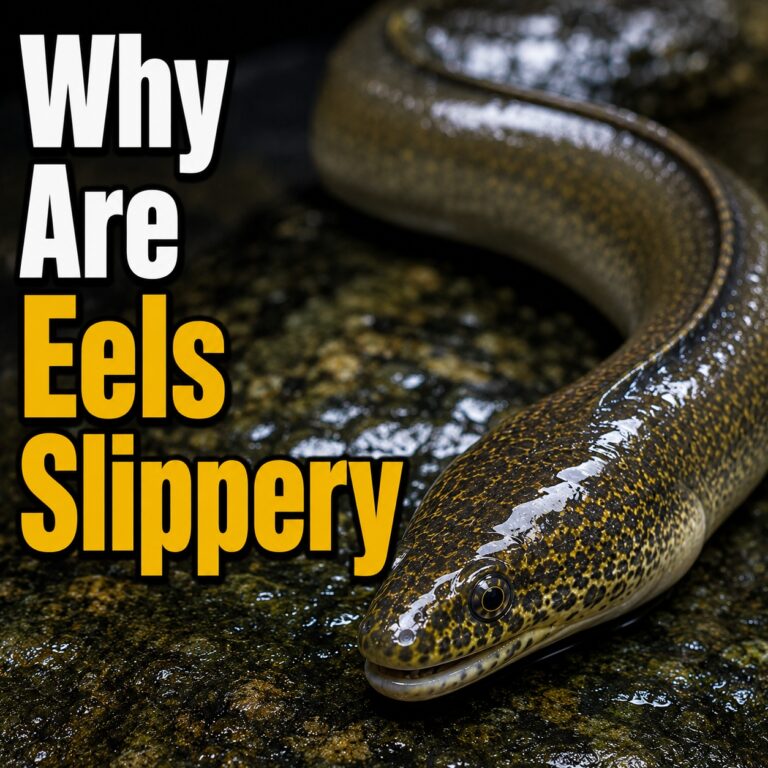
- Slimy Skin: Most eels do not have scales. Instead, they produce a thick layer of slippery slime. This slime protects them from sharp rocks and makes them very hard for predators to catch.
- The Gape: Have you ever seen an eel opening and closing its mouth? It isn’t trying to be scary! Because they don’t have gill covers like other fish, they must pump water through their mouths to breathe.
Amazing Life Cycles: The Great Eel Migration
One of the coolest eel fish facts for kids involves their incredible journeys. Many eels, like the American and European eels, perform a “double life” act. They spend most of their time in freshwater rivers but travel thousands of miles into the ocean to lay their eggs.
From Leaf to Long Fish
Eels start their lives as tiny, transparent larvae called Leptocephali. At this stage, they look like see-through leaves floating in the ocean currents. This clever camouflage hides them from hungry birds and bigger fish. As they grow, they transform into “glass eels” before finally developing their adult colors.
Meet the Stars: Famous Types of Eels
The ocean hosts over 800 different species of eels. Each type has a unique “superpower” or a special way of living.
The Mighty Moray Eel
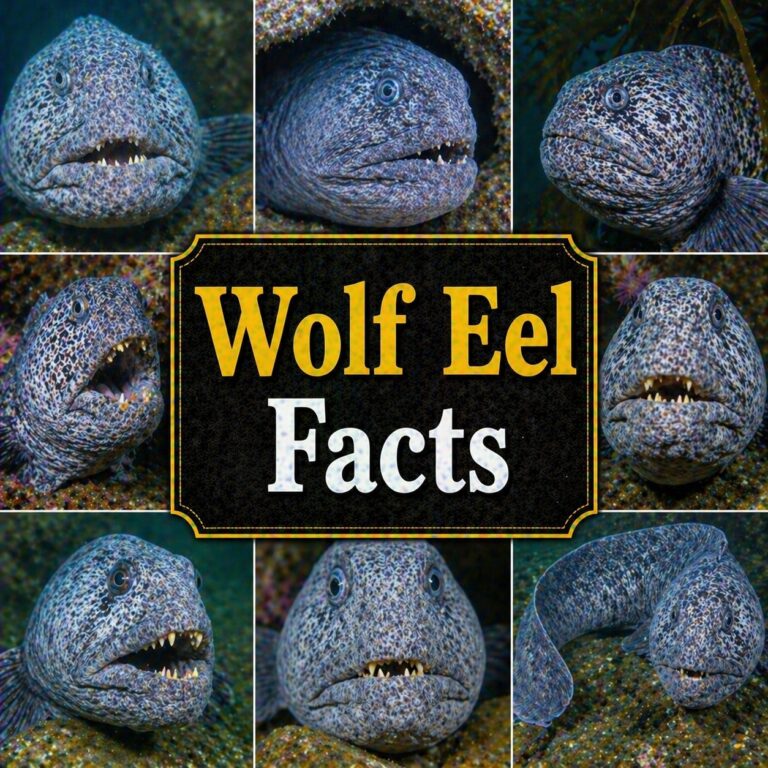
Moray eels are the most famous residents of the coral reef. They come in many colors, including the giant Green Moray and the beautiful Spotted Moray.
- Second Jaws: Morays have a secret weapon called “pharyngeal jaws.” This is a second set of jaws located in their throat. When the front teeth grab a fish, the back jaws reach forward to pull the food down!
The Shy Garden Eel
If you look at a patch of sand in the Caribbean, you might see hundreds of tiny sticks swaying in the current. These are Garden Eels. They dig burrows in the sand and stay there their whole lives. They act like shy neighbors; if you swim too close, they all pop back into their holes at once!
The Electric Eel (The Great Imposter)
Here is a shocking fact: The Electric Eel is not actually a “true” eel! It is a type of knifefish. However, people call it an eel because it looks so similar. These amazing creatures can generate 600 volts of electricity—enough to knock down a horse or power a dozen lightbulbs!
What Do Eels Eat?
Eels function as expert hunters. Since most of them come out at night (nocturnal), they rely on their incredible sense of smell rather than their eyes.
- Crustacean Crunchers: Eels like the Chain Moray have flat, blunt teeth. They use these like a nutcracker to smash the shells of crabs and shrimp.
- Fish Fans: Larger eels prefer to eat fish, squid, and even smaller eels. They use their sharp, backward-pointing teeth to make sure their slippery dinner doesn’t escape.
50 Amazing Eels facts for Kids
Eels are fascinating, snake‑like fish that live in oceans and rivers all over the world. They come in hundreds of species, have mysterious life cycles, and play important roles in marine ecosystems. Here are fun eel facts for kids that make learning about them exciting!
🐟 General Eel Facts
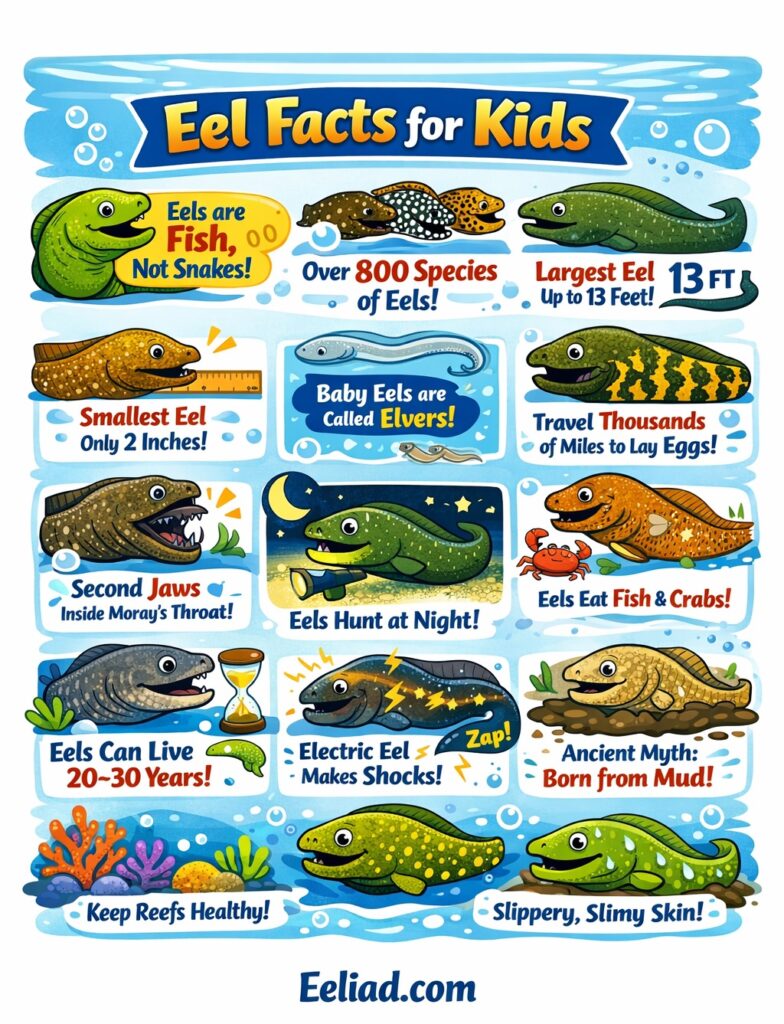
- Eels are fish, not snakes.
- There are over 800 species of eels worldwide.
- The scientific order for eels is Anguilliformes, meaning “eel‑shaped.”
- Eels have long, flexible bodies with smooth or tiny scales.
- They can swim in S‑shaped waves to move quickly.
- Most eels live in saltwater, but some live in freshwater rivers.
- Eels breathe through gills, just like other fish.
- They can also absorb oxygen through their skin.
- Eels have sharp teeth for catching prey.
- Their skin is covered in slimy mucus that helps them glide through water.
🌊 Habitat and Lifestyle
- Eels live in coral reefs, rocky crevices, and deep oceans.
- Some species live 4,000 meters (13,000 feet) below the surface.
- Moray eels hide in coral holes and hunt at night.
- Conger eels prefer deeper, colder waters.
- Freshwater eels migrate thousands of kilometers to breed in the ocean.
- The European eel travels to the Sargasso Sea to lay eggs.
- Eels can be found in every ocean except the polar regions.
- Some eels can survive short periods on land in damp conditions.
- They are nocturnal, meaning they hunt mostly at night.
- Eels are solitary and often defend their hiding spots.
🧬 Life Cycle
- Eels hatch from eggs in the ocean.
- Baby eels are called leptocephalus larvae—flat and transparent.
- When they grow, they become elvers, tiny young eels.
- Adult eels live in rivers or seas until ready to breed.
- Mature silver eels swim back to the ocean to spawn and die.
- Some eels live up to 30 years, and a few over 80 years!
- The Brantevik eel in Sweden lived for 155 years.
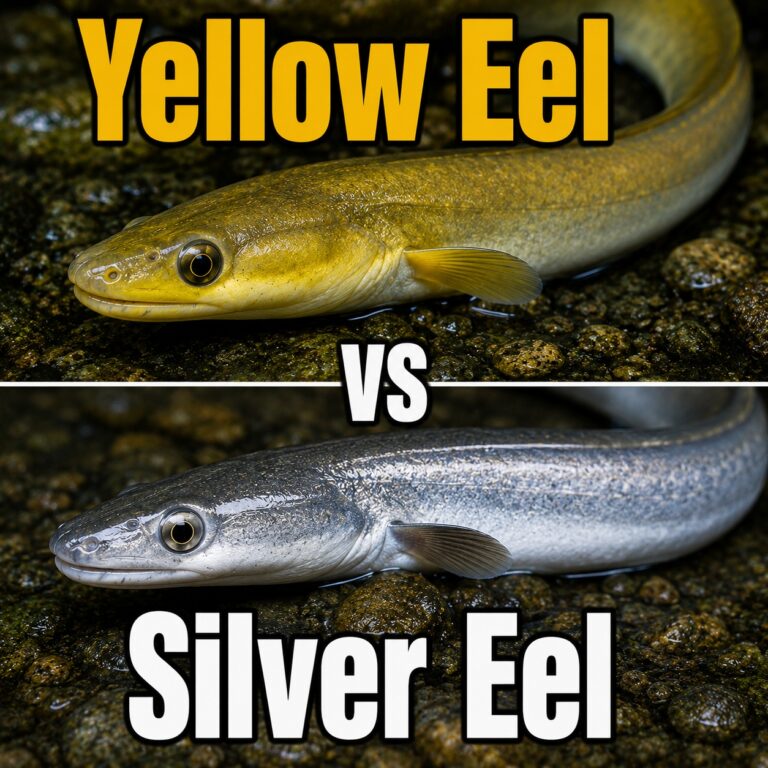
- Eels change color as they grow—from clear to yellow to silver.
- They can travel up waterfalls using their slippery bodies.
- Scientists still study how eels navigate such long journeys.
🍽️ Diet and Behavior
- Eels are carnivores—they eat fish, shrimp, crabs, and worms.
- They use their sense of smell to find food in dark waters.
- Moray eels have a second set of jaws inside their throat!
- Eels swallow prey whole or tear it apart with teeth.
- Some eels hunt in partnerships with groupers.
- They can eat animals almost as big as themselves.
- Eels are important predators in reef ecosystems.
- They help keep fish and crustacean populations balanced.
- Eels are shy and rarely attack humans.
- Their bites can be painful but are usually defensive.
⚡ Special and Fun Facts
- The electric eel isn’t a true eel—it’s a knifefish.
- Electric eels can produce shocks up to 500 volts.
- The largest eel, the slender giant moray, can reach 4 meters (13 feet).
- The smallest eel, the one‑jawed eel, is only 5 cm (2 inches) long.
- Eels have been eaten by humans for thousands of years.
- Their blood is toxic unless cooked properly.
- Eelskin leather is used for wallets and belts.
- Ancient Egyptians believed eels came from sun‑warmed Nile mud.
- Aristotle once thought eels were born from mud, too!
- Eels are symbols of mystery and transformation in many cultures.
Why Are Eels Important for the Ocean?
Eels play a vital role in keeping the ocean healthy. As predators, they make sure that populations of small fish and crustaceans do not get too large. They also act as “cleaners” by eating dead or sick animals, which keeps the reef tidy.
Scientists at organizations like the National Oceanic and Atmospheric Administration (NOAA) study eels to understand how ocean currents move. Because eel larvae drift with the water, they help researchers track the health of our planet’s “blue heart.” Additionally, organizations like National Geographic Kids and Kids encyclopedia provide wonderful resources for children to learn more about marine conservation.
Conclusion
In conclusion, eel fish facts for kids show us that these animals represent much more than just “slimy tubes.” They are brave travelers, clever hunters, and essential members of the underwater community. Whether they are shocking predators in the Amazon or dancing in a “garden” under the sea, eels prove that being different serves as a great way to survive.
Frequently Asked Questions (FAQ)
1. Can an eel live out of water? Some species, like the European eel, can wiggle across damp grass for short periods to move between ponds, but they eventually need water to breathe.
2. Are eels dangerous to humans? Most eels are shy and will swim away. Moray eels only bite if they feel cornered or if a diver accidentally puts a hand near their home.
3. Do all eels live in the ocean? No! Many eels live in rivers and lakes for most of their lives, only returning to the sea to lay eggs.
4. How long do eels live? In the wild, many eels live for 15 to 20 years, but some have been known to live much longer in captivity.
5. What is the smallest eel? The Snyder’s Moray is one of the smallest, reaching only about 4 inches in length!
6. Do eels have ears? They don’t have ears on the outside of their heads, but they have internal “ear bones” that help them sense vibrations in the water.
7. Can eels swim backward? Yes! Eels are one of the few fish that can swim backward just as easily as they swim forward.