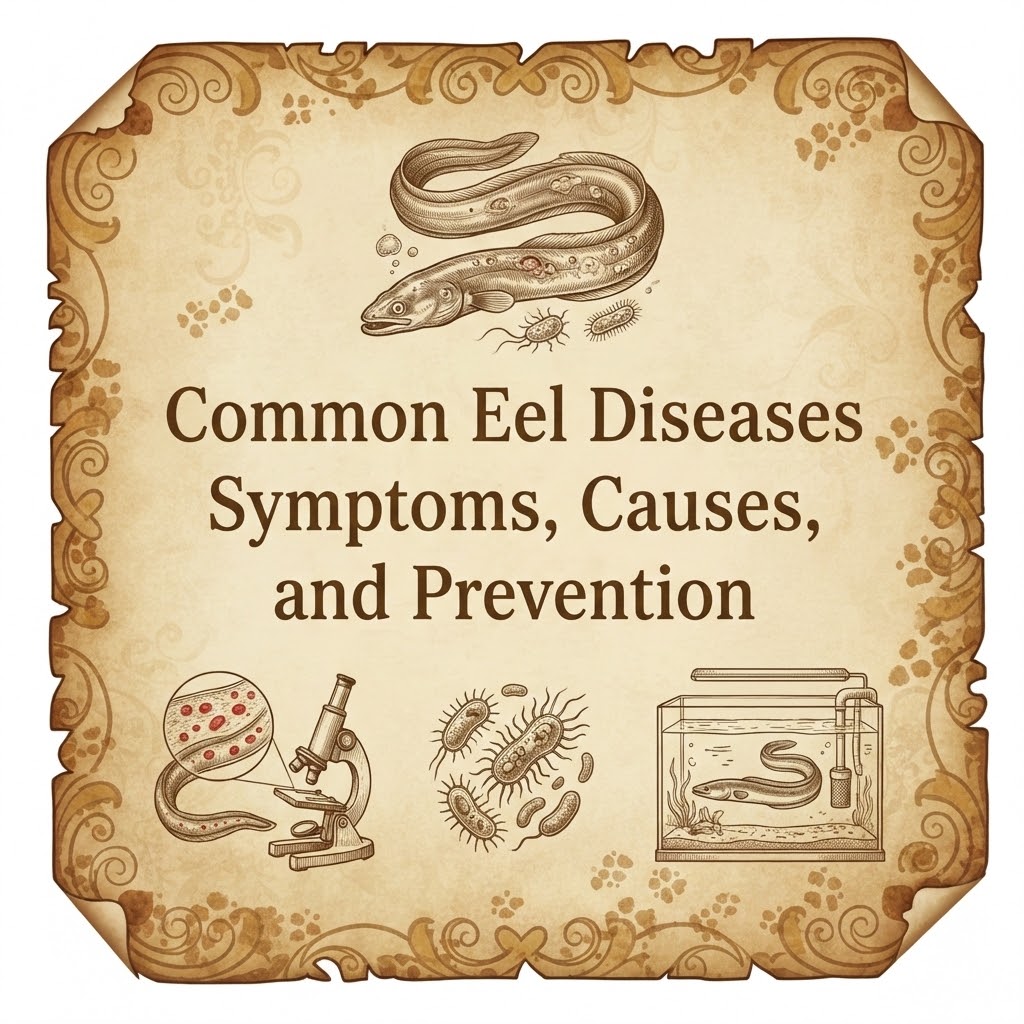
Eels are among the most evolutionarily successful and biologically resilient creatures on the planet. From the deep trenches of the Sargasso Sea to the muddy beds of inland rivers, they navigate complex migrations and physiological shifts that would kill most other fish. However, in the context of aquaculture and environmental change, this perceived hardiness is a double-edged sword.
Eels are uniquely susceptible to a wide range of pathogens—viral, bacterial, fungal, and parasitic. Because they lack traditional scales and possess a highly absorbent skin, they are biological “sponges” for their environment. When water quality shifts or temperatures fluctuate, the eel’s immune system can collapse with surprising speed.
This guide provides an in-depth analysis of the diseases that plague both wild and farmed eel populations, offering insights into their identification, treatment, and long-term prevention.
The Anatomy of Vulnerability: Why Eels Get Sick
Before diving into specific diseases, it is essential to understand the biological factors that make eels prone to infection:
Scaleless Skin: Most fish have scales that act as armor. Eels have a thick mucosal layer instead. While this allows for cutaneous respiration (breathing through the skin), it also makes them vulnerable to skin-boring parasites and chemical irritants.
Complex Life Cycles: Species like the European (Anguilla anguilla) and Japanese eel (Anguilla japonica) transition from saltwater to freshwater and back. Each transition is a massive physiological stressor that can trigger latent infections.
Temperature Sensitivity: Eels are highly sensitive to thermal “windows.” Rapid changes in water temperature, especially during spring and autumn, are the primary triggers for the most devastating eel plagues.
Intensive Culture Stress: In aquaculture, high stocking densities lead to oxygen depletion and the rapid accumulation of nitrogenous waste, which acts as a catalyst for bacterial growth.
Bacterial Diseases: The Primary Killers
Bacteria represent the most significant threat to eel populations, particularly in farmed environments where pathogens can jump between individuals in close proximity.
A. Red Disease (Edwardsiellosis)
Historically misidentified, we now know that Red Disease is primarily caused by the bacterium Edwardsiella tarda (also known as E. anguillimortiferum).
Symptoms: The hallmark of this disease is a marked reddening of the anal and urinogenital apertures. Internally, it causes macroscopic putrefactive lesions (rotting spots) on the liver and kidneys. The anal region often appears swollen and inflamed.
Conditions: This is a “summer disease,” thriving when water temperatures reach approximately 28°C.
Treatment: Medicated feeds containing chloromycetin or sulphadiazine have proven effective. Interestingly, eels that survive an outbreak often develop a strong natural immunity.
B. Red Spot Disease
Caused by Pseudomonas anguilliseptica, this disease is a major concern in Japanese and European pond cultures.
Symptoms: It is characterized by sub-epidermal petechiae—tiny, pin-prick hemorrhages across the body surface. In advanced stages, the bacteria can be found in massive quantities within the bloodstream, leading to systemic organ failure.
Conditions: Unlike Red Disease, Red Spot thrives in cooler, brackish waters (around 20°C). It usually disappears once the water temperature exceeds 25°C.
C. Vibriosis
Caused by Vibrio anguillarum, this is a common pathogen for many marine fish but is particularly lethal to eels in saltwater or brackish environments. It causes systemic septicemia, leading to lethargy and rapid mortality.
Fungal Infections: The “Cotton Cap” Plague
Fungal infections in eels are rarely primary; they are almost always “opportunistic” invaders that take advantage of a fish already weakened by bacteria or physical trauma.
Saprolegniasis (Cotton Cap Disease)
Commonly referred to as “Cotton Cap” in Japan, this infection is caused by the water mold Saprolegnia.
Symptoms: White, cotton-like patches develop on the head and body. Within a week of the first symptoms appearing, mass mortality often follows as the fungus eats into the dermal layers.
The Cause: Research has shown that a pathogenic bacterium usually attacks the skin first during unstable weather in the spring. The fungus then colonizes the wound.
Prevention: Improving water quality and using medicated feeds (like those containing furazolidon) during the first feeding of spring can significantly reduce the incidence of this disease.
Parasitic Threats: Internal and External
Parasites are perhaps the most insidious threat to eels because they don’t always kill the host immediately; instead, they compromise the eel’s ability to migrate and reproduce.
A. The Swim Bladder Nematode (Anguillicoloides crassus)
This is the most notorious parasite in the eel world. Originally native to Asia, it has spread globally, devastating European and American eel populations.
Impact: The nematode lives inside the eel’s swim bladder, feeding on blood. This causes the bladder wall to thicken and scar, destroying the eel’s buoyancy control.
The Consequence: Because eels must swim thousands of miles at specific depths to reach their spawning grounds, an infected swim bladder makes the journey impossible, effectively ending the eel’s reproductive life.
B. White Spot Disease (Pleistophora)
This is caused by parasitic sporozoa that attack the muscle tissue and kidneys.
Symptoms: Infected eels become extremely thin. In elvers (young eels), the skin may lose pigmentation in patches or turn abnormally black. A classic behavioral sign is “vertical swimming,” where the eel hangs or moves up and down at the water’s surface.
Cure: There is currently no known cure for this parasitic infection. The only effective management is to cull and destroy infected fish to prevent the spores from spreading.
C. External Parasites (Argulus and Lernaea)
Argulus (Fish Lice): These crustaceans attach to the skin and suck blood, causing irritation and opening the door for secondary bacterial infections.
Lernaea (Anchor Worm): These parasites bury their heads into the eel’s flesh. While once a major problem, they are now largely managed through chemical water treatments.
Environmental and Non-Infectious Conditions
Sometimes, the “disease” is a direct result of the water chemistry rather than a living pathogen.
Bubble Disease (Gas Embolism)
This occurs when the water is supersaturated with nitrogen or oxygen.
Symptoms: Small, bubble-like tumors appear on the head and fins. If these gas bubbles enter the bloodstream or heart, they cause an immediate “embolism,” blocking circulation and leading to death.
Fix: Improving aeration (to let excess gas escape) and introducing cleaner, cooler water usually resolves the issue.
Branchionephritis (Branchial Kidney Disease)
This is a complex condition where the gills swell and the kidneys begin to bleed. It disrupts the eel’s salt metabolism, causing the blood to become too thick (dehydration).
The Salt Cure: Surprisingly, the most effective treatment for this “dehydration” is to place the eels in slightly salty water ($0.4-1.0%NaCl). This helps the eel regain its osmotic balance.
Comprehensive Prevention Strategies
To maintain a healthy eel population, whether in a pond or a tank, the following biosecurity measures are mandatory:
Temperature Stability: Avoid sudden shifts. Use heaters or shaded areas to prevent the “thermal stress” that triggers Red Disease or Cotton Cap.
Oxygenation: Eels need more oxygen than most people realize. Ensure active aeration, especially in stagnant ponds or during the heat of summer.
pH Management: Maintain a pH between 6.5 and 9.0. Anything outside this range (below 6 or above 10) causes chemical burns to the mucosal layer, inviting infection.
Culling and Quarantine: Never introduce new elvers into an existing stock without a 14-day quarantine. Immediately remove and destroy any fish showing signs of “vertical swimming” or white spots.
Sediment Control: Uneaten feed and decayed algae blooms strip oxygen from the water and provide a breeding ground for Edwardsiella bacteria. Regular siphoning of the bottom is essential.
Frequently Asked Questions (FAQs)
1. Can humans catch diseases from eels?
Generally, no. Most eel diseases are specific to aquatic life. However, raw eel blood is toxic to humans, and undercooked wild eel can carry parasites. Always cook eel to an internal temperature of 63°C (145°F).
2. Is “White Spot” in eels the same as “Ich” in tropical fish?
While eels can get “Ich” (Ichthyophthirius multifiliis), the “White Spot” mentioned in major eel studies often refers to Sporozoa like Pleistophora, which is much more dangerous and harder to treat than standard aquarium Ich.
3. Why do my eels swim vertically at the surface?
This is usually a sign of either oxygen deprivation or a parasitic infection of the kidneys or muscles (White Spot Disease). Check your aeration levels immediately.
4. Can salt really cure eel diseases?
Salt is highly effective for Branchionephritis (salt metabolism issues) and certain external parasites, but it will not cure viral infections like VHS or deep-tissue parasites like the swim bladder nematode.
5. Why is eel blood considered toxic?
Eel blood contains ichthyotoxins, which are proteins that can cause severe muscle cramping and respiratory distress if they enter the human bloodstream. Cooking completely neutralizes these proteins.
6. What is the most dangerous disease for the European Eel?
The Swim Bladder Nematode (Anguillicoloides crassus) is arguably the most dangerous because it prevents the eel from migrating to the Sargasso Sea, effectively threatening the survival of the entire species
7. How does pollution affect eel health?
Because eels are scaleless, they absorb heavy metals and pollutants directly through their skin. These toxins weaken their immune systems, making them succumb to “opportunistic” diseases like Cotton Cap.
8. Is there a vaccine for eel diseases?
There are no commercially available “shots” for eels. Instead, “vaccination” usually occurs through medicated feeds or by exposing young eels to low levels of pathogens to build natural immunity.
9. Can gas bubbles in a tank kill eels?
Yes. This is called Bubble Disease. It happens when there is too much dissolved nitrogen or oxygen in the water (supersaturation). It is especially common when using well water that hasn’t been properly aerated.
10. Do all eels carry parasites?
Wild-caught eels have a very high likelihood of carrying at least one type of parasite. Farm-raised eels are generally cleaner, provided the farm follows strict biosecurity and water-filtration protocols.
Similar Posts
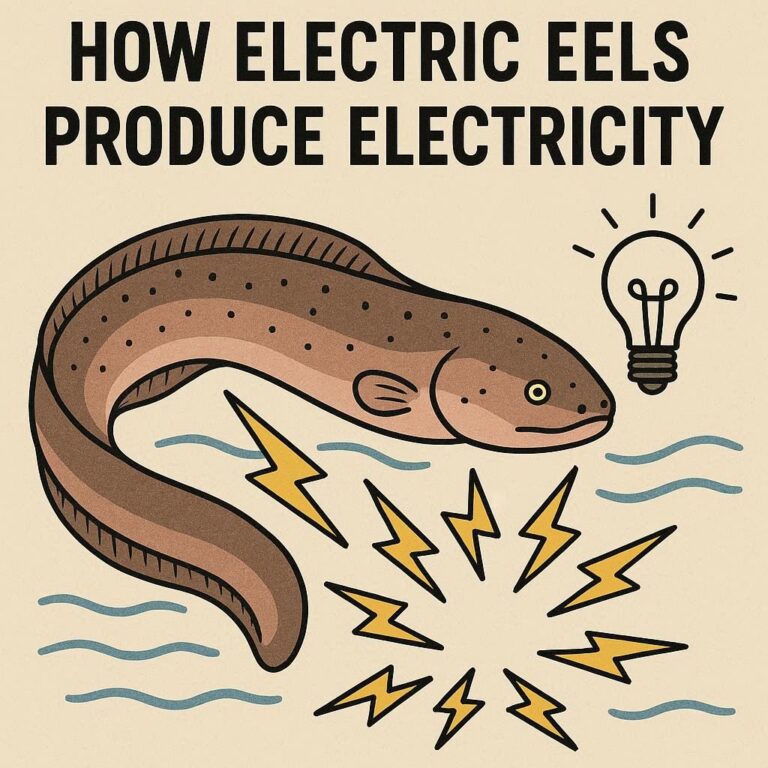
How Does an Electric Eel Produce Electricity?
The electric eel (Electrophorus electricus) is a remarkable creature known for its ability to generate and discharge electric shocks. Despite its name, the electric eel is not actually an eel but a type of knifefish….
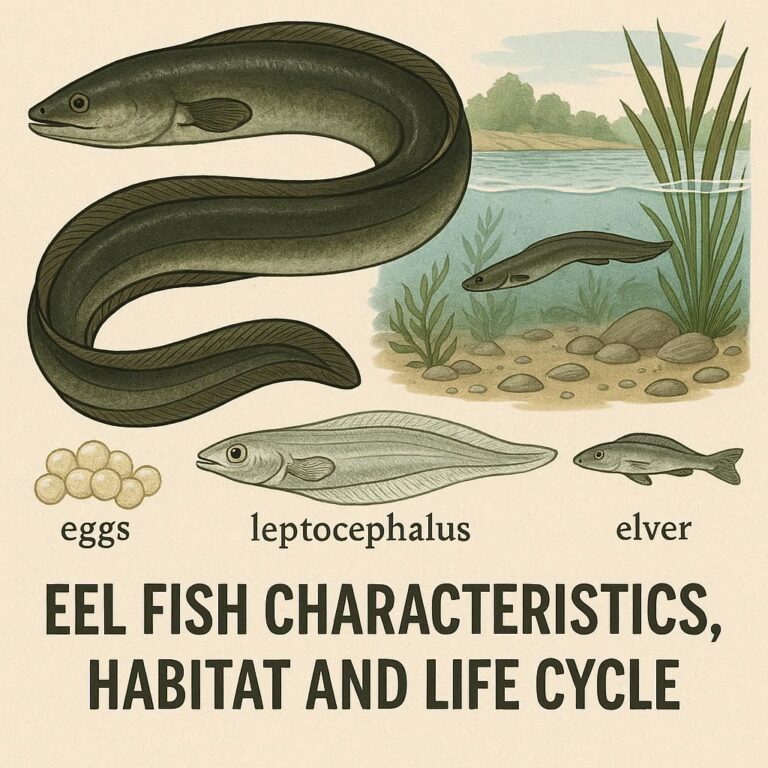
Eel Fish: Characteristics, Habitat and Life Cycle
Eels are one of the most fascinating and mysterious fish groups in the aquatic world. With their snake-like bodies, secretive behavior, incredible long-distance migrations, and unusual reproduction methods, eels continue to captivate scientists and nature…
What Do Eels Eat? Eel Diet Guide 101
Eels are fascinating aquatic creatures known for their sleek bodies and snake-like movements. As carnivorous predators, eels have specific dietary preferences that vary depending on their species and habitat. In this eel food guide, we…
Wolf Eels: A Complete Guide
Wolf eels, scientifically known as Anarrhichthys ocellatus, are fascinating and unique creatures that inhabit the rocky coastal waters of the northeastern Pacific Ocean. Despite their name, they are not true eels but rather a species…
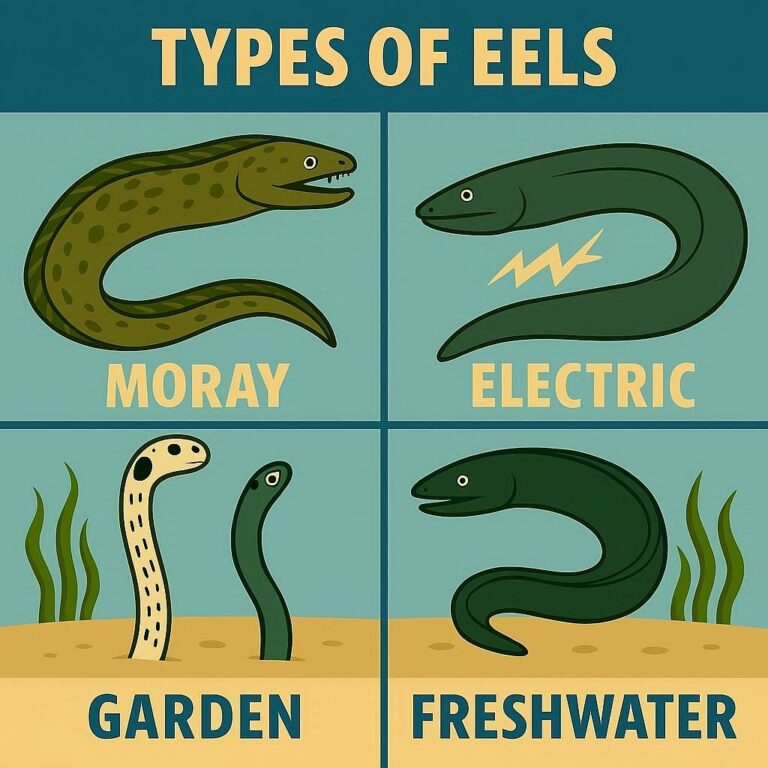
20 Types of Eels: Exploration of Eel Diversity
Eels are a diverse group of elongated fish known for their serpentine bodies and intriguing behaviors. With their sinuous movements and unique adaptations, eels have captured the fascination of scientists and aquarists around the world….
Shark Anatomy Surprise: Bloodsucking Eels Evade Sharks Heart
Parasitic eels living inside the heart of a shark may sound like something from a sci-fi movie, but this real and rare phenomenon gives us insight into the harsh and wild relationships found beneath the…